


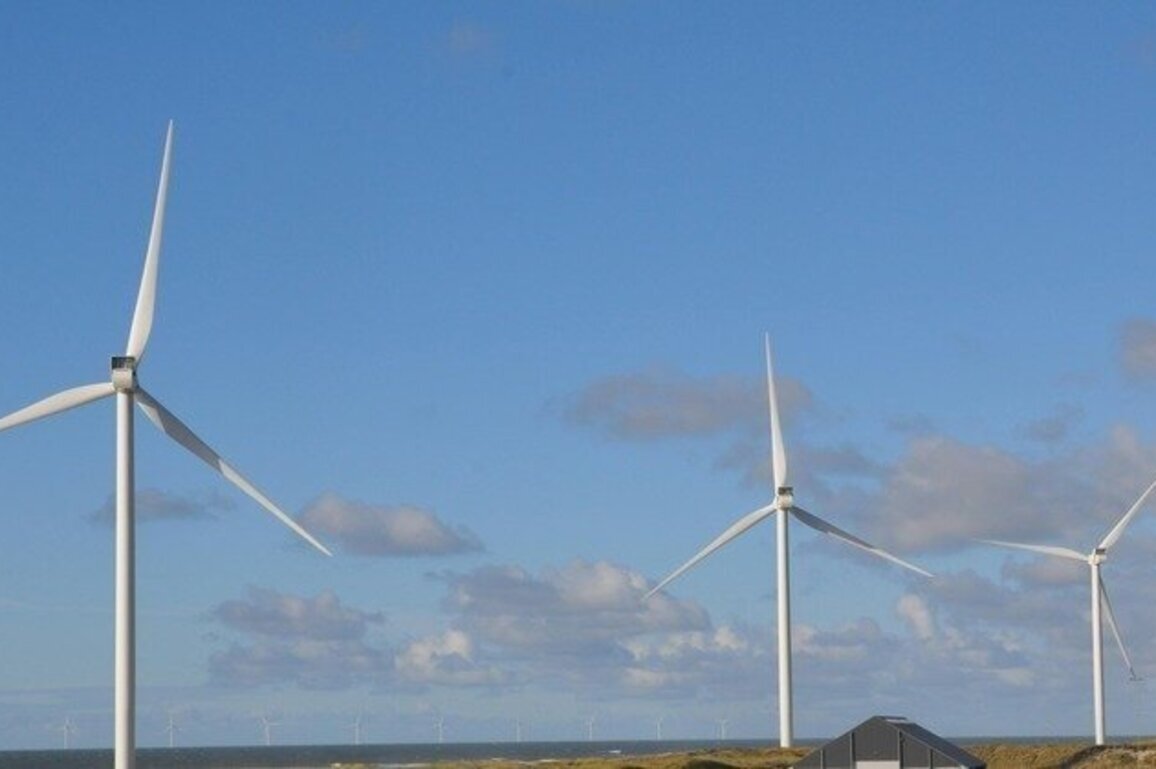
As Michigan leans further into renewable energy, some backers said the payoff is showing up in unexpected places.
One education leader said wind farms are providing a financial boost for Michigan schools, bringing in millions for infrastructure upgrades, technology and debt relief without raising taxes.
Paul Hungerford, superintendent of the Gratiot-Isabella Regional Education Service District, said the added funding was especially helpful during the pandemic.
"When COVID hit, we were able to use sinking fund dollars to purchase Chromebooks for one-to-one instruction," Hungerford recounted. "We had to act at a moment's notice because we weren't a one-to-one district at that time when COVID hit."
According to state data, wind-generated energy now supplies nearly 8% of Michigan’s electricity, powering more than a million homes. However, critics argued the benefits come with trade-offs, including concerns about land use, noise, visual impact and long-term reliability.
In Michigan, wind power projects generate nearly $75 million a year in state and local tax revenue. Hungerford noted it eases pressure on taxpayers while giving districts more flexibility.
"We were able to keep the millage rate low for that sinking fund millage," Hungerford reported. "That district has even reduced it because of the presence of wind farms and how it's increased the taxable value to where it's out of respect for all taxpayers."
Still, opponents said communities should consider potential effects on property values and whether wind energy can consistently meet demand without backup from other sources.
Hungerford stressed despite the renewable energy debate, it's benefiting students in his region, and he believes districts are delivering real value to taxpayers with the added revenue.
Source: Public News Service